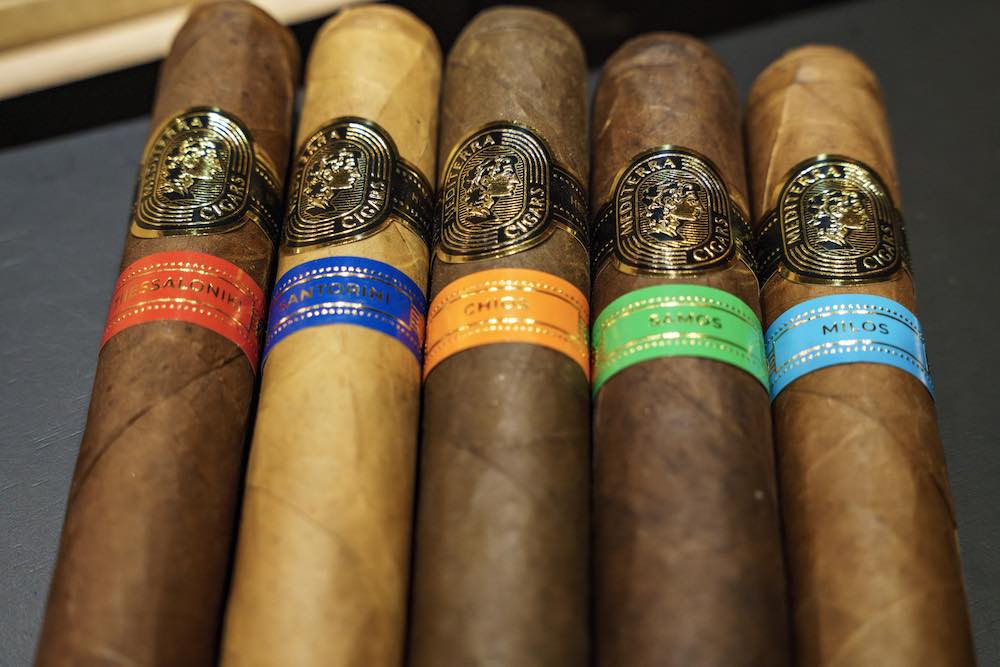
The Secret Language of Cigar Labels: What Every Band Is Really Telling You
You’ve seen them countless times—those elegant bands wrapped around premium cigars, adorned with gold foil, intricate designs, and text that seems to whisper of old-world craftsmanship.
But beyond their decorative appeal lies a wealth of information that can transform how you choose and appreciate your smoke.
Cigar labels aren’t just beautiful accessories; they’re your roadmap to understanding what’s in your hand. Yet for many enthusiasts, they remain as mysterious as a secret code, filled with terms that sound important but feel foreign. Today, we’re changing that.
What’s Actually on That Label?
Every cigar label tells a story, and once you know how to read it, you’ll never look at a cigar the same way again. Here’s what you’re typically seeing:
Brand and Line: The most prominent text—think “Padron 1926” or “Oliva Serie V.” This tells you the manufacturer and specific blend family.
Size and Shape: Often expressed in both name (Robusto, Toro, Churchill) and measurements (6″ x 50 ring gauge).
Wrapper Origin: Usually the most prominent descriptor—Connecticut, Habano, Maduro, or specific regions like Ecuador or Nicaragua.
Binder and Filler Information: Sometimes listed, these tell you the origin of the internal tobaccos that create the cigar’s core flavor.
Country of Origin: Where the cigar was actually rolled and finished.
Additional Descriptors: Terms like “Reserva,” “Vintage,” or aging information that hint at special qualities or limited releases.
The Language of Leaves: Key Terms Decoded
Understanding a few key terms will instantly elevate your label-reading game:
Maduro: Spanish for “mature”—these wrappers are aged longer, creating darker, sweeter, more complex flavors with notes of chocolate and coffee.
Habano: Refers to Cuban-seed tobacco grown outside Cuba, typically offering rich, earthy, and spicy characteristics.
Connecticut: Usually indicates a milder, creamier wrapper grown in the Connecticut River Valley (or Connecticut-seed grown elsewhere), perfect for morning smokes or newcomers.
Reserva: Suggests premium tobaccos, often aged longer or from specific harvests, though the term isn’t regulated.
Vintage: Indicates tobacco from a specific harvest year, similar to wine vintages, suggesting consistent quality and character.
What Actually Matters vs. What’s Just Marketing
Here’s where experience separates casual smokers from true aficionados: knowing what information actually guides your smoking experience.
What Matters: Wrapper origin strongly influences flavor—a Connecticut wrapper will generally be milder and creamier, while a Habano wrapper brings more spice and earth. The size affects burn time and flavor concentration. Country of origin often indicates blending style and manufacturing quality standards.
What’s Often Marketing: Ornate names like “Royal Reserve” or “Master’s Collection” sound impressive but don’t necessarily indicate superior quality. Similarly, elaborate packaging doesn’t always correlate with better tobacco. Some of the world’s finest cigars come in simple bands.
The Gray Area: Terms like “aged” or “vintage” can be meaningful when specific (like “5-year aged Connecticut wrapper”) but vague when used generally. Limited editions can represent genuine craftsmanship or marketing tactics—the reputation of the manufacturer often tells the story.
Using Labels to Guide Your Choice
Think of cigar labels as your personal sommelier, helping you navigate toward your perfect smoke:
For Strength: Connecticut wrappers typically indicate mild cigars, perfect for morning or when you want subtlety. Maduro and Habano wrappers often signal medium to full-bodied experiences.
For Flavor Profile: Ecuadorian wrappers often bring complexity and balance. Nicaraguan cigars tend toward bold, spicy profiles. Dominican blends frequently offer smooth, refined experiences.
For Quality Indicators: Look for specific tobacco origins rather than vague terms. Manufacturers who list their binder and filler origins usually take pride in their sourcing. Established brand names with decades of reputation generally maintain consistent quality standards.
For Timing: Ring gauge (thickness) affects smoking time—a 50+ ring gauge will give you 1-2 hours, while a 42 ring gauge might be perfect for a 45-minute experience.
Your Labels Are Just the Beginning
Remember, labels provide guidance, not guarantees. A Connecticut wrapper can surprise you with complexity, while an impressive-sounding Reserva might not match your palate. The most beautiful label means nothing if the cigar doesn’t speak to you.
The real education comes from experience—tasting, comparing, and discovering what moves you. Labels simply help you make more informed choices and communicate your preferences to others who share your passion.
Some of the most rewarding discoveries happen when you venture beyond familiar labels into new territories, guided by knowledgeable recommendations and your own developing palate.
The Kapnós Advantage
Next time you visit Kapnós or browse our online humidor, you’ll approach each cigar with new confidence.
You’ll see beyond the beautiful bands to understand the craftsmanship they represent. You’ll know that the “Goldy Connecticut” wrapper on our Isaac Collection promises that creamy, refined experience you’re seeking, or that a Habano wrapper suggests the bold complexity perfect for your evening ritual.
More importantly, you’ll know that every cigar in our collection has been chosen not just for its impressive label, but for the quality and character it delivers. Because at Kapnós, we believe your smoking experience should be as exceptional as the moment you choose to savor it.
Ready to put your new knowledge to work? Explore our curated selection and discover what your perfect cigar label looks like.